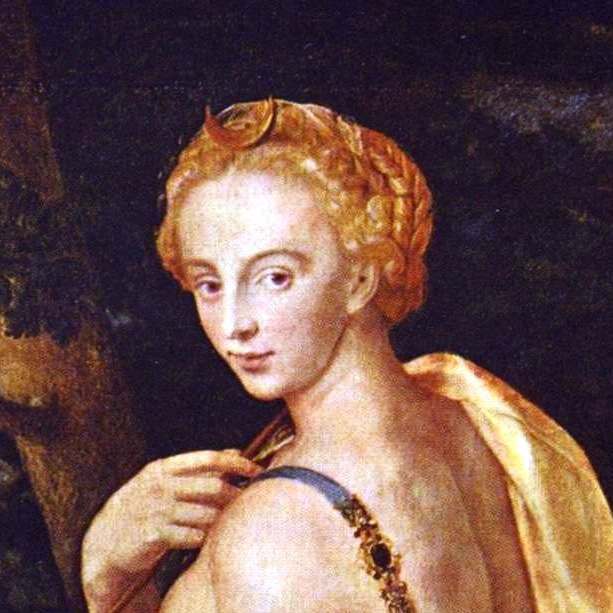
Diane de Poitiers: The King’s scandalous mistress (1500-1566)
| Quick facts | |
|---|---|
| Birth: | 9 January 1500 |
| Death: | 25 April 1566 |
| Famous for: | Being the mistress of King Henry II of France, who was 20 years younger than her |
| Parents: | Jean de Poitiers (Seigneur de Saint Vallier), Jeanne de Batarnay |
| Marriage and kids: | Louis de Brézé, 2 children |
What if the most powerful person in France… wasn’t the king? This is Diane de Poitiers, and she could tell you a thing or two.
Because in the 16th century, real influence was behind the scenes and no one played that game better than Diane de Poitiers. All thanks to her relationship with one man: King Henry II of France.

Diane de Poitiers was born in 1500 into a noble but not especially powerful family. From an early age, she was well-educated, elegant, and by all accounts strikingly beautiful.
She married Louis de Brézé, a powerful nobleman who was much older than she was. When he died in 1531, Diane was left a wealthy widow at just over 30.
Around this time, she became close to a young prince: the future Henry II of France.
As a child, Henry and his elder brother had been sent into captivity for four years as hostages in exchange for their father, Francois 1er, who had been captured in battle. The 27-year-old Diane was already at court when the 7-year-old Henry was sent to Spain, and he remembered her when his father finally raised the ransom for his release.
But it was when Henry was 15-year-old that 35-year-old Diane made her move. Diane didn’t just romance the young prince. She became his mentor, his confidante, and arguably the most important person in his life.
Henry became deeply devoted to her, almost obsessively so. Notwithstanding the fact that Henry had a wife, a certain Catherine de Medici, who was the same age as him.
However, Diane was his favorite and openly so. Henry even used Diane’s initials “D” intertwined with his own “H” as a royal symbol. (The “C” for Catherine was officially in there as well.)
When Henry became king in 1547, Diane’s power reached its peak. She was no longer just close to the king, she was at the center of the court. Diane had influence over political decisions, court appointments, and royal favors. If you wanted access to the king, you went through her.
In exchange she received titles, lands, and enormous wealth. One of her most famous residences was the stunning Château de Chenonceau, which Henry gave to her.
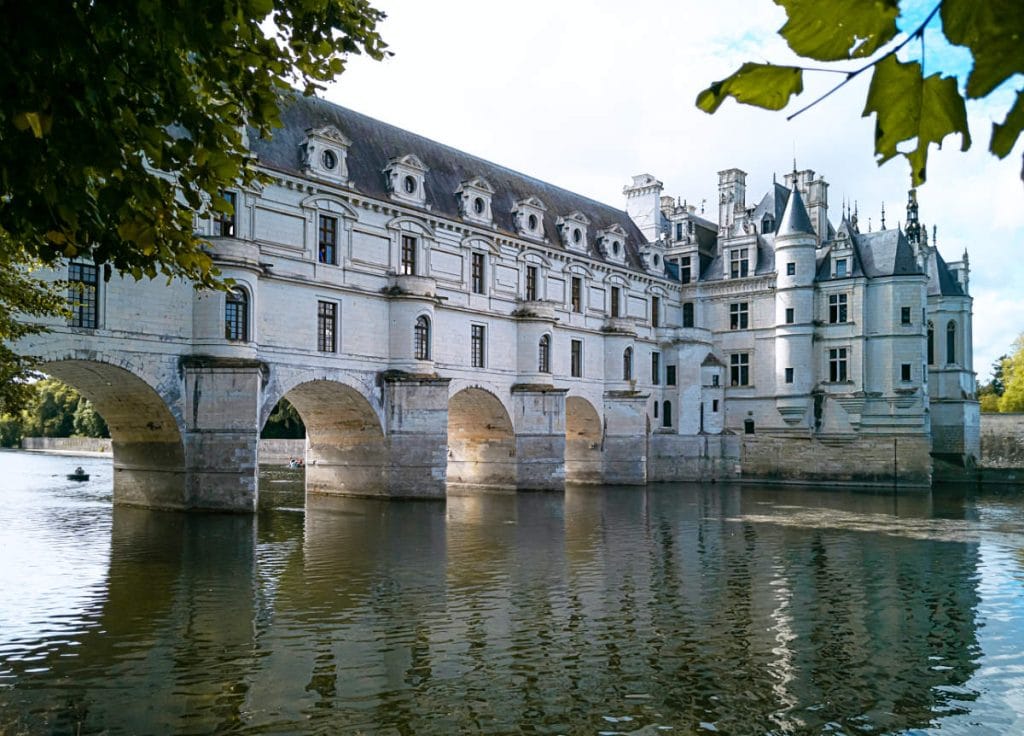
She was, in many ways, the gatekeeper of power and she played the role extremely well. Diane was known for her intelligence, composure, and ability to navigate court politics without creating open conflict.
Meanwhile, Queen Catherine de Medici had to watch all of this from the sidelines. For years, she tolerated Diane’s position, likely because she had no real choice. As long as Henry II lived, Diane’s power was secure.
But everything changed in 1559. During a tournament in Paris, Henry II was injured in a jousting accident when a splinter from a lance pierced his eye. He died days later and just like that, Diane’s world collapsed.
With the king gone, so was her protection. Catherine de Medici was now the most powerful woman in France, and she moved quickly.
She forced Diane to return Château de Chenonceau to the Crown and replaced it with another residence, the less prestigious Château de Chaumont-sur-Loire.
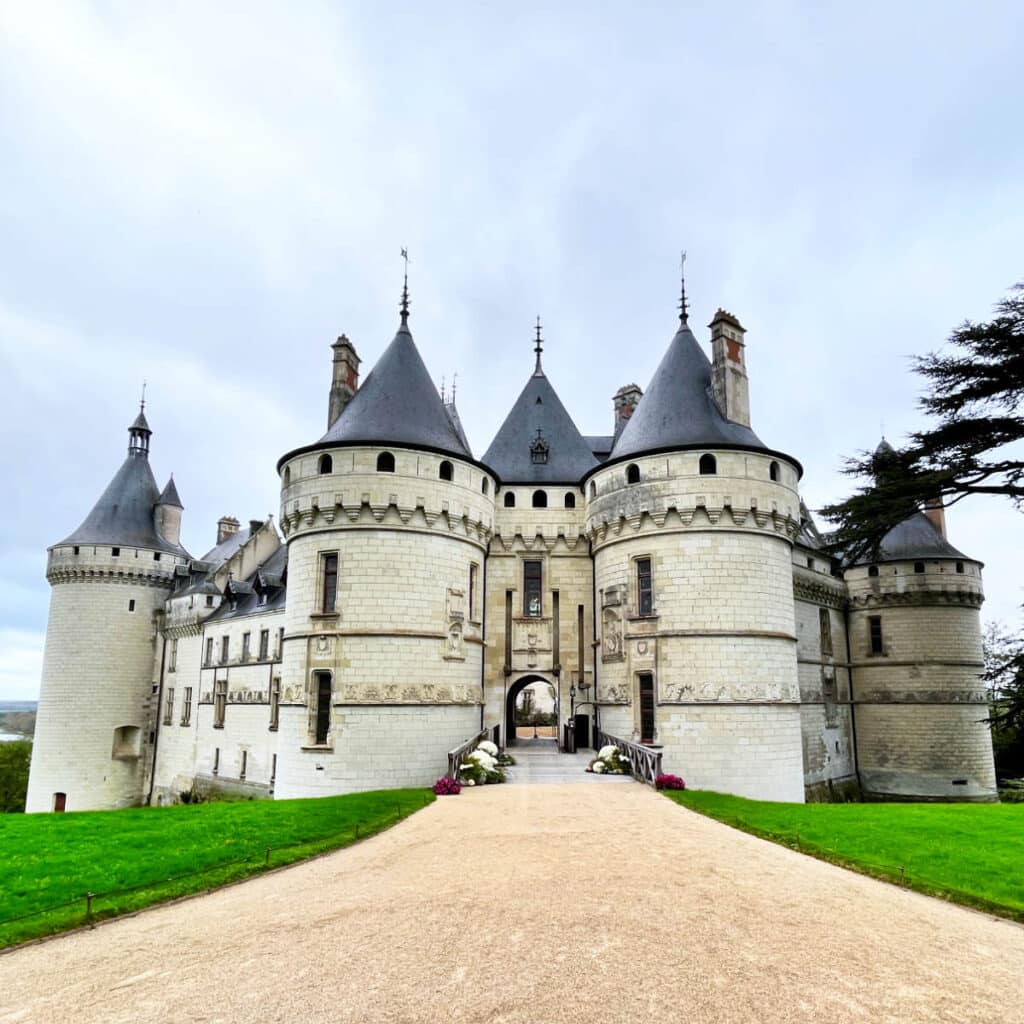
Diane,knowing her options, withdrew from court life and lived quietly for the rest of her years. She died in 1566 at the age of 66.
But her legacy remains intertwined with the history of France and as one of the most powerful royal mistresses in European history.
And as for Queen Catherine de Medici? She would later go on to shape French history in her own Medici way.